
SAM MORSHEAD: There will soon be a great black hole in English cricket’s finances which needs filling - at least £100million. With ECB reserves low and the future unstable, those tasked with making the repairs cannot afford to ignore viable options
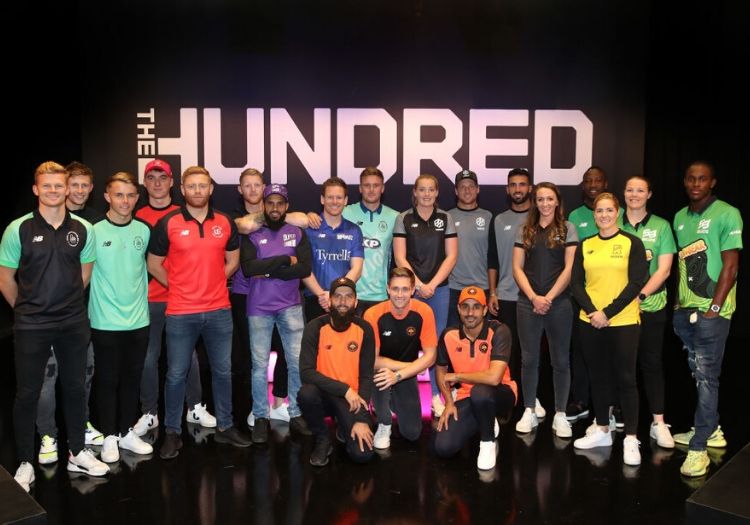
Compromise: a quality inherently absent on both sides of The Hundred divide for more than two years, now desperately needed with the beating heart of our sport on the line.
Not a ball has been bowled in the ECB’s new flagship tournament, and yet some of cricket’s wealthiest and most successful franchise financiers are already queueing up for a slice.
This week, owners of teams in the Indian Premier League and Pakistan Super League have come out publicly to state their interest in acquiring at least part of a Hundred franchise, sparked into action by ECB chief executive Tom Harrison floating the idea of private investment.
Harrison never stated that such a course of action is an inevitability in a post-Covid world - indeed, several of the counties and MCC are reportedly opposed to the notion - but, as the game scrambles to find new revenue streams in 2021, it certainly cannot be disregarded.
There will soon be a great black hole in English cricket’s finances which needs filling - at least £100million, perhaps as much as £380million if the entire summer is wiped out - and, with ECB reserves low and the future of the sport unstable, those tasked with making the repairs cannot afford to ignore viable options. Ultimately, private investment is a viable option.
For that reason, the governing body will certainly have been buoyed to see Kolkata Knight Riders chief executive Venky Mysore and Multan Sultans co-owner Ali Tareen go on the record to register their interest in buying into the competition.
These are men with very different backgrounds, and very different levels of experience in ownership - they would also come to the negotiating table with vastly different opinions on their roles in a Hundred organisation - but they both offer financial support at a time when the game desperately needs it.
It is not so simple to look at cricket’s problem purely in the context of a single summer. The impact of the coronavirus crisis, the lockdown and its extreme economic effect will be felt just as keenly throughout 2021.
As one county chief executive told The Cricketer recently: “There is a major concern already about: what will our crowd sizes be like next year? What will our membership be like next year?
“It would be churlish of us to think all of those would be at 100 percent of the revenue we would hope to see. They will be a smaller percentage, and all of that means we would be looking at deficits across the game next year.”
The sociological fallout remains unknown - how many people will feel comfortable attending mass gatherings such as sporting events, even come the spring of 2021 - while broadcast contracts may have to be renegotiated, potentially tightening the ECB’s pursestrings yet further.
External cash, then, is gold-dust. But it’s smothered in distrust, and for good reason.
The notion of franchises in English cricket has never passed muster, perhaps partly down to the membership tradition in place at many counties, perhaps because of the very visible experiences other sports - most notably football - have faced down the years. The Stanford affair only emboldened anxieties.
Bad owners can destroy communities, and cricket is a tightly knit community.
Already affronted by the imposition of a fourth format, confused by its mixed messaging and expected to toe soundbites about new audiences and profit centres despite limited evidence of either, it would be a surprise to see the domestic structure view outside investment as anything other than intolerable.
The knock-on effect of allowing external investors the opportunity to create what could end up resembling a rival league is unsettling, and plays to the concerns of many who have questioned The Hundred’s motives.
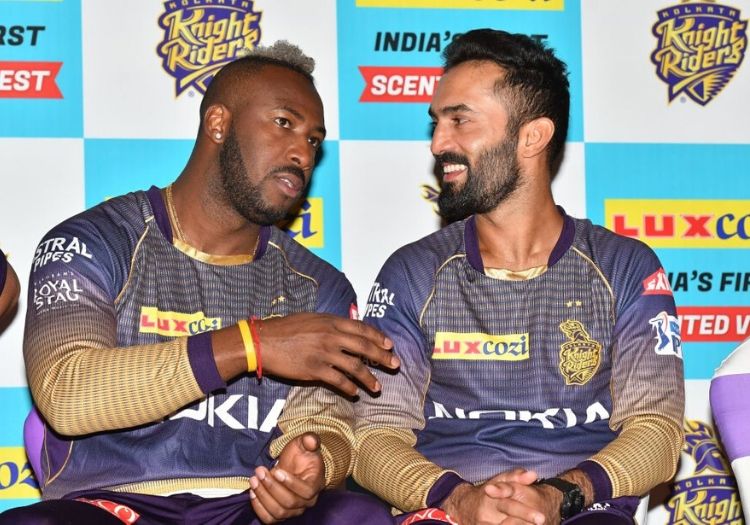
Venky Mysore is chief executive of Kolkata Knight Riders
What rights would investors have? How much of a stake might they be allowed to purchase?
Could the T20 Blast and the county network survive against the marketing weight and reach of magnates and celebrities?
For many, it will be disconcerting. Yet money will still have to be found to first prop up and then reinvigorate our game; money that is not so easily located in a world facing global recession, where advertising budgets and broadcast payments have been paused and no one quite knows how long the journey will last, nor what the destination looks like.
So cricket should take it on itself to look beyond prejudices, fear and tradition, and ask if private investment can positively benefit the sport in this country.
It seems to me as though there are three scenarios - the sale of teams in their entirety to the highest bidder, the sale of stakes of less than 50 percent, and no sale at all.
Mysore and Knight Riders would only consider the first option, if his interview with ESPNcricinfo is anything to go by.
“A passive investment doesn’t make sense for us,” he said. “If I go there I want to build a business. We probably do it better than anyone else: we know how to manage from a distance and how to leverage all aspects of running a cricket franchise.
“It has to be a meaningful partnership for us.”
Of all franchise owners globally, KKR offer the most enticing whole business repertoire, but whether the sale of a controlling stake to private money plays into the theory that The Hundred is the bedrock of county cricket’s future is uncertain.
Would a new Hundred owner see the value in helping the counties? Or would it be the first step towards breakaway?
There is the hugely important matter, too, of where the women’s side of the franchise stands - the ECB have been at pains to remind everyone that The Hundred is a great leveller. In this particular sector, KKR’s record (and those of most franchises globally) is less obvious.
Would private investment fit in with the Inspiring Generations project, of which The Hundred is a pivotal cog? How would a privately owned Hundred interlink with the ECB’s new regional hubs for women, or the women’s and girls’ action plan which promised so much before the cruel intervention of coronavirus?
That’s half-a-dozen questions in a matter of sentences, and this is far from being a forensic assessment. Simply, that is too much uncertainty.
Tareen waded into the debate offering a different view, one of a minority shareholder injecting capital, resource and community values into the partnership.
Tareen’s family have a house in Hampshire, not far from Newbury, and he has played a lot of club cricket in the area. This summer, he had intentions to send several of the young players from his academy in Lodhran over to play in local leagues. He declares himself “a Hampshire boy” and feels a natural affinity to Southern Brave.
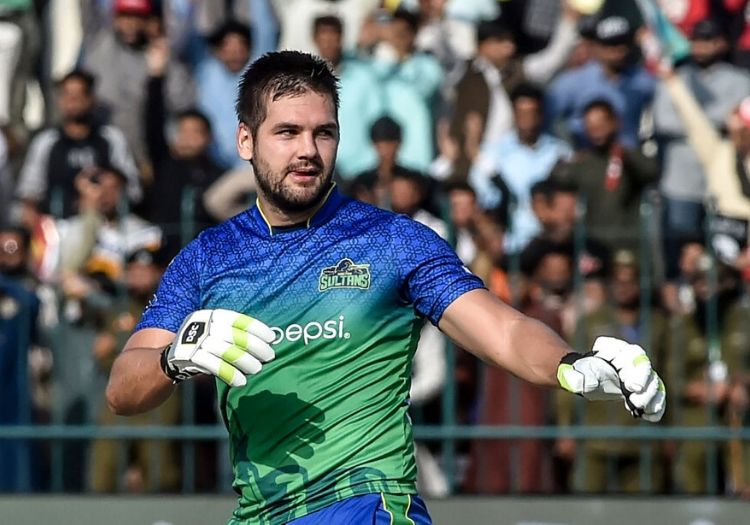
Rilee Rossouw starred in the PSL for Tareen's Multan Sultans
“I’m not saying private ownership should mean one owner, like they’ve done in some T20 leagues, because the owner has too much say then,” he told The Cricketer.
“He can impose his will on the franchise and that is what I feel the negative connotations are in England: when you sell a team - cricket or football - to one owner, his eccentricities inevitably come out through the team and the policies they make.
“I would love to become a part-owner if Southern Brave or Hundred franchises decided we want to get private investment: say 10 percent investment for one board seat and some basic benefits.
“That person is an investor and helping them grow. Everyone who wants to invest should come with ideas of how they can contribute.
“The way the counties are run is all about sustainability and growth; the way many T20 teams are run is all about individuals and status. They come in, throw around money, then the team don’t do as well or they don’t get the publicity out of it they wanted and then they’re out.
“Having people as part-owners make people feel like owners but their role is more like a consultant or an advisor. They are there as a director of a company, or an honorary chairman like local clubs would have.”
It is a noble idea, though it seems unlikely that all eight franchises would be able to find a potential investor with a similar attachment to teams that do not yet technically exist. And surely, for the sake of competitive balance, all eight teams should have the same percentage stake externally owned if at all.
The third scenario, of course, is to continue as was, and to find a way of making the competition work with depleted funds, in an arid economic environment, preserving tradition but possibly - possibly - little else.
Which way would help the sport survive most effectively? And by “the sport”, what do we even mean?
There are no good answers, and so many questions. Compromise might just be the only way forward.
Save 30% when you subscribe to The Cricketer’s print & digital bundle. £35 for 12 issues

Welcome to www.thecricketer.com - the online home of the world’s oldest cricket magazine. Breaking news, interviews, opinion and cricket goodness from every corner of our beautiful sport, from village green to national arena.