
The Test series between England and New Zealand got under way at Bay Oval on Thursday. SAM MORSHEAD has a look at the key points of discussion to come from day one...
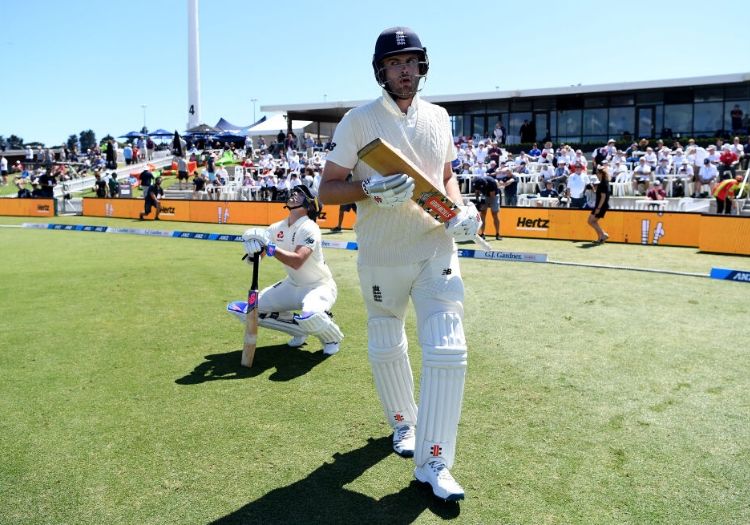

Dom Sibley showed plenty of signs that he is indeed ready for Test duty on his debut at Bay Oval.
The Warwickshire batsman might only have made 22 but it was a thoughtful, calm and confident 22, the sort of innings which England fans are not used to seeing from members of their top three over recent seasons.
With Rory Burns, Sibley posted 52 for the first wicket. More significantly, they lasted 21.4 overs - the ninth longest opening stand for England overseas by balls faced over the past five winters.
Sibley was eventually undone by a wide drive ball from Colin de Grandhomme, which exposed the major chink in his armour. All of his 22 runs had come on the onside - Sibley is incredibly strong off his pads (70 per cent of his 2019 Championship runs came to leg) but less convincing on the other side of the wicket.
Here, his bottom hand took over as he was squared up by De Grandhomme and he edged to Ross Taylor at first slip. It is certainly an area where the 24-year-old old will have to adapt, and quickly, if he is to have a prolonged spell at the top of the game but right now there is no need for England to dwell on the negative.
A young man on debut, against one of the finest seam attacks in the world, away from home, gave every indication he belongs.
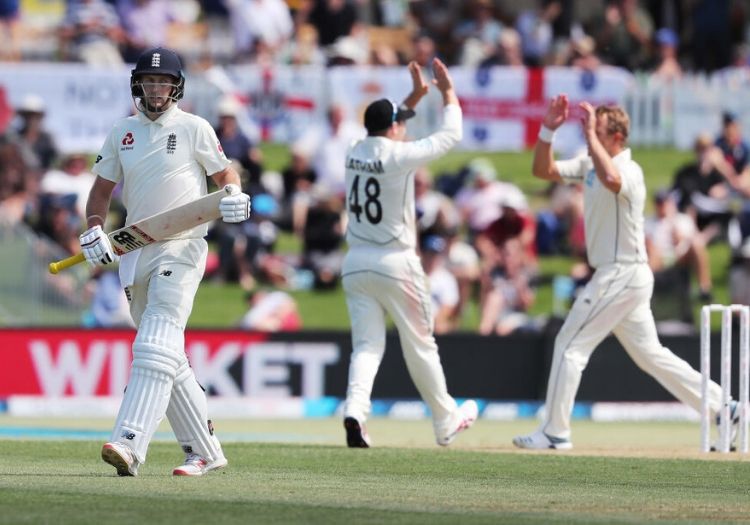
Joe Root was dismissed by Neil Wagner
England took a bit of a punt in batting first upon winning the toss in Mount Maunganui.
It was only the third time in 34 Tests that skippers had made that choice after calling correctly in New Zealand - none had done so in the previous eight matches in the country.
This is the first time, however, that Test cricket has been staged at Bay Oval - the format’s 120th venue worldwide - and it quickly became apparent that Joe Root made the right decision.
Early swing and seam deviation was easily managed by the England openers, with the pitch not offering furious pace or uneven bounce.
False shots could be counted on the fingers of one hand in the first hour and a half, while Rory Burns and Dom Sibley seemed to have confidence in the playing surface.
The last time England toured New Zealand, they found themselves skittled all out inside 93 minutes; here, their openers stayed together until 95 minutes into the day.
Only when Neil Wagner bombarded Burns with the short ball from around the wicket did this Kiwi attack - among New Zealand’s finest ever - start to look potent. Yet the visitors still managed to reach the first interval for the loss of just Sibley.
A lesson in playing the conditions, and not the history books.
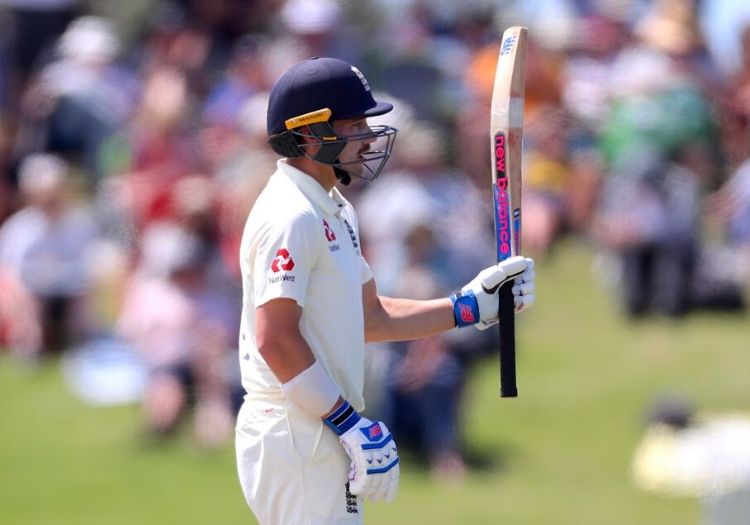
Rory Burns made a half-century
The debate over the relative merits and potential dangers of England’s football warm-ups has been done to death over the past few years, but very little has been said about segways.
That might change after Jofra Archer borrowed a two-wheeled machine from a Sky Sport cameraman at Bay Oval and merrily began to whizz around the outfield, weaving his way between Kiwi bowlers and his teammates.
It was an unusual sight just 20 minutes or so before the start of a Test match.
Reports from the ground suggested that captain Joe Root did not take particularly kindly to Archer’s antics but, frankly, the seamer looked a lot more in control of the segway than many of his teammates do with ball at feet.
The first day at Bay Oval was made up of a series of mini battles within the wider war, and the most intriguing of the lot was Neil Wagner’s tete-a-tete with Joe Denly in the immediate overs after lunch.
Wagner and New Zealand had evidently decided that the short ball was the way to prise open England’s top order and, having peppered Rory Burns before the break, the seamer went hammer and tong at Denly once the players had returned from refueling.
One delivery from Wagner caught England’s No.3 in four or five minds, striking the open face of the bat and looping towards point before falling safely. Another leapt past the outside from just short of a good length. But Denly continued unbowed, relishing the test.
However hostile Wagner went, the Kent batsman responded in kind, pivoting on his back foot and rolling his wrists across a quartet of terrific pull shots to the midwicket boundary, fire very much fought with fire.
For all the criticism labelled in the direction of Denly’s Test selection over the past year - and it still remains somewhat curious - the 33-year-old has shown an appetite for the fight. His gritty half-century in the miracle of Headingley has largely been forgotten in the shadow of Ben Stokes’ heroics, while an excellent 94 in the second innings at The Oval (just hours after his partner gave birth to a baby girl) helped set up the victory which secured a series draw.
He picked up where he left off here and, although a maiden century was not forthcoming, his 74 helped stabilise the innings.
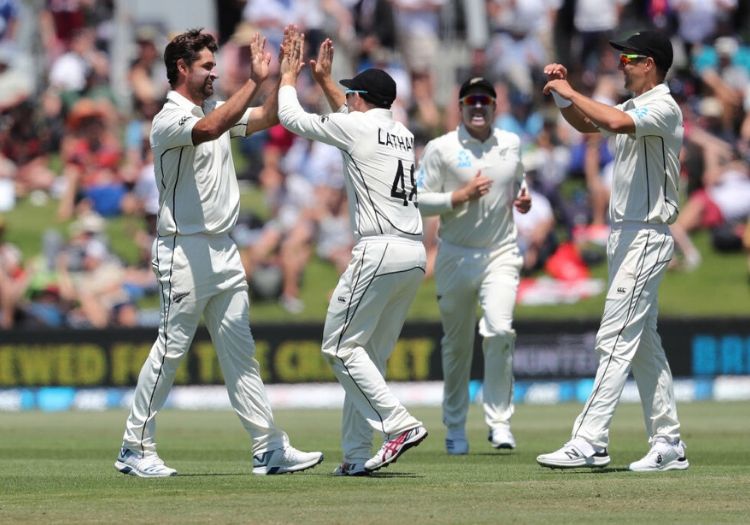
Colin de Grandhomme was among the wickets
New Zealand might be able to name one of the most talented three-pronged attacks in their history at present, but it was the Kiwis’ fourth seam option which impressed most.
On face value, Colin de Grandhomme is not particularly imposing - 75 miles per hour, up and down, nibble and sway - but on a benign track he caused England problems.
The allrounder removed Dom Sibley with a tempting delivery outside off stump and dismissed Rory Burns in similar fashion, enticing the drive and encouraging his victim to lose his discipline.
Tim Southee, Trent Boult and Neil Wagner have nearly 700 Test wickets between them and occupy third, second and seventh on the all-time Kiwi list respectively yet it was the trundling De Grandhomme who was most threatening.
Subscribe to The Cricketer this Christmas and receive a £20 John Lewis voucher or Alastair Cook's autobiography. Claim your free gift here

Welcome to www.thecricketer.com - the online home of the world’s oldest cricket magazine. Breaking news, interviews, opinion and cricket goodness from every corner of our beautiful sport, from village green to national arena.