
NICK HOWSON: The seven-week-old competition was devised to ensure every match had relevance - but will teams genuinely put their neck on the line?
It was virtually the first thing out of Joe Root's mouth. Hopes of regaining the Ashes had evaporated. The Old Trafford Test lost in its final hour. The heroics of Headingley consigned to history. A spectacular summer of cricket given an unwanted veneer.
The England captain barely had time to contemplate the nadir of his leadership before being thrust in front of the media to consider the series. And few could have predicted what his immediate reflections would include.
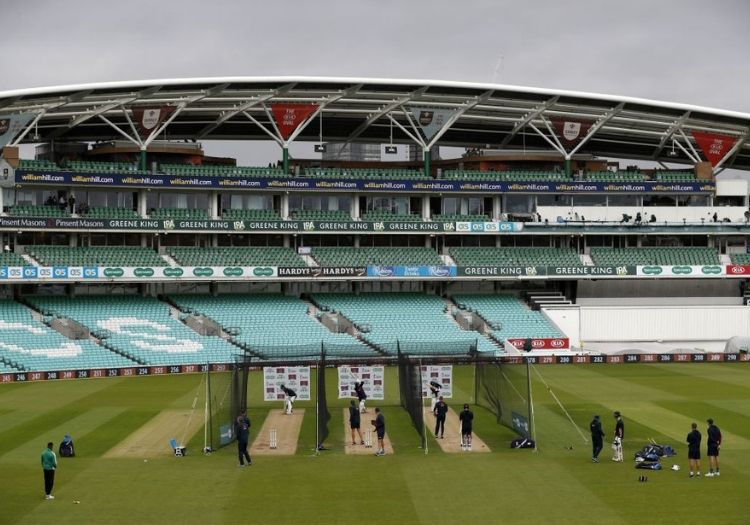
Attention veered towards the fifth Test at The Oval, due to start on Thursday in the second full week of September. The series can still be tied. Australia could be denied a first win on these shores since 2001. And England's search for some salvation could start with victory at the end of an exhausting summer.
Yet, those obvious objectives were accompanied with a mention of the newest addition to cricket's tapestry - the World Test Championship.
VISIT THE ASHES HUB
"We know the Ashes aren't coming home but in terms of the Test Championship at the end of the cycle those points could be crucial," said the Yorkshireman. "We've got to make sure we finish this summer strong. We've got the Test Championship to play for and make sure we don't lose this Ashes series."
It is for matches such as these that the WTC was introduced. The ICC can't kid even itself that winning series and settling old scores can be eclipsed by a fresh competition, but matches - often unwanted and at the end of a long tour - with little more than pride on the line do now have more value.
Whether that additional merit is attractive remains to be seen. The WTC will be just seven weeks old come the start of the fifth Ashes Test. Having been 10 years in the offing and suffered constant delays and cancellations, it is difficult to suddenly engage with given its short and somewhat flaky history.
And that is before you even begin to try to understand the format. Over the two-year cycle teams play six series home and away of varying length for which they will accumulate points. One hundred and twenty are on offer for every series, regardless of the number of Tests which feature.

The World Test Championship is the brainchild of the ICC
But the devil is in the detail. Not every series scheduled between now and the final in June 2021 is part of the Test Championship, including England's tour of New Zealand in November. Afghanistan, Bangladesh and the currently suspended Zimbabwe are barred so any Test between those sides or against the top nine ranked nations also do not count.
The unbalanced points-scoring system also requires scrutiny. Should England win at The Oval they and Australia will both be behind Sri Lanka, who are third thanks to drawing their two-match series with New Zealand 1-1. One victory in a two-Test duel is worth more than two in a five-match series. Go figure.
Simplicity should be the priority before any new competition can become truly established. The WTC overlooks this regulation idea. If you want something to be respected, firstly, show it some respect.
Any acclaim for the competition is artificial and false. It has barely two months of history, a format devised by a producer for The Generation Game and openly disregards actual Test-playing nations. Anyone who continues to harbour affection for the Test game might need it to succeed, but currently, no one is clamouring for updates.
That Root wasted little time in raising the WTC is in all likelihood a bit of kidology. It avoids the uncomfortable truth that England's final game of the summer is a dead rubber and that they have clung on desperately to Australia's coattails.
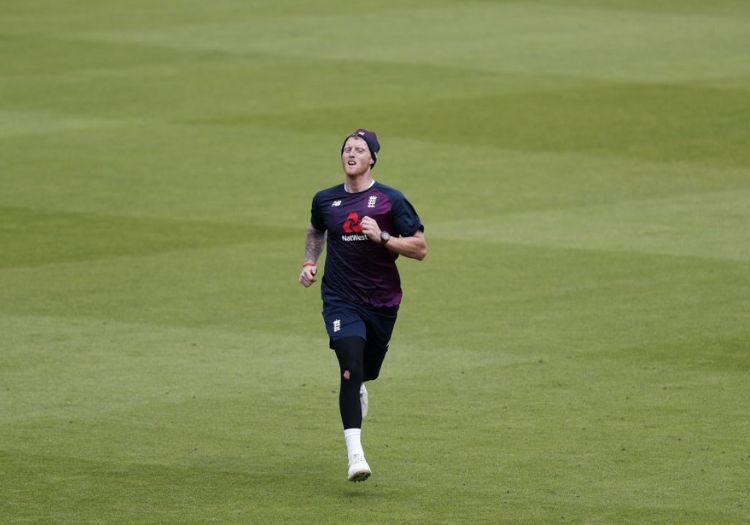
Will Ben Stokes' shoulder be risked at The Oval?
Additionally, it is inconceivable that the ICC's latest brainchild has now usurped over 140 years of history. An Ashes Test remains the most prestigious contest in cricket. Though shifted down the pecking order, any Test has not suddenly been eclipsed by a competition formed in a cauldron of desperation.
One barometer of how important the Test Championship might emanate from the risks teams and individuals will take to claim valuable points, particularly when a series is dead and buried.
Will England endanger Ben Stokes' fitness by selecting him as an allrounder if his shoulder problem persists? If the series was still live and the Ashes in sight, the Durham man would surely do everything necessary to play a full part. But does the WTC justify such peril?
Rather than a unique idea to supplement cricket's landscape, the WTC feels more like a withheld, untested antidote being injected into a dying patient. No one expects it to work, it comes too late to guarantee survival yet everyone is hoping for a miracle. The sport must, of course, be liberal to change, but at the same time resistant to anything spurious and contrived.

Welcome to www.thecricketer.com - the online home of the world’s oldest cricket magazine. Breaking news, interviews, opinion and cricket goodness from every corner of our beautiful sport, from village green to national arena.